Brandon Travel explores how global travel systems operate through data, research, and analysis. Travel is shaped by interconnected systems including aviation networks, immigration policies, language distribution, infrastructure, and digital platforms.
The topics below organize research, datasets, and insights across key areas of global travel.
Aviation
Air travel forms the backbone of international mobility. Aviation networks connect cities, countries, and regions through complex airline partnerships, regulatory frameworks, and airport infrastructure.
Topics include airline networks, aviation rights, flight operations, and global air travel connectivity.
Language plays a significant role in travel accessibility and communication. Travelers often encounter language barriers when navigating transportation systems, services, and local institutions.
Research in this area explores language distribution, communication challenges, and language resources for travelers.
Transportation infrastructure shapes how people move between destinations. Airports, rail networks, highways, and maritime transport all influence travel accessibility and efficiency.
This topic examines the physical systems that support global travel.
Remote work has expanded opportunities for location-independent travel. Digital nomads rely on visa programs, telecommunications infrastructure, and flexible work arrangements to live and work abroad.
Research explores remote work mobility and emerging travel patterns.
International travel is governed by immigration policies, visa requirements, and border procedures. These rules vary significantly across countries and shape where travelers can go and how long they can stay.
This topic explores visa regimes, entry systems, and global mobility policies.
Travel decisions increasingly rely on structured data. Datasets related to airports, languages, time zones, and mobility systems help travelers and researchers better understand global travel patterns.
Solo travel continues to grow as more travelers choose independent exploration. Research examines behavioral patterns, motivations, and the challenges faced by solo travelers.
Travel safety involves risk assessment, infrastructure reliability, and public safety conditions. Understanding systemic risks helps travelers make more informed decisions.

 Brandon Himpfen
 Brandon Himpfen
 Brandon Himpfen
 Brandon Himpfen
 Brandon Himpfen
 Brandon Himpfen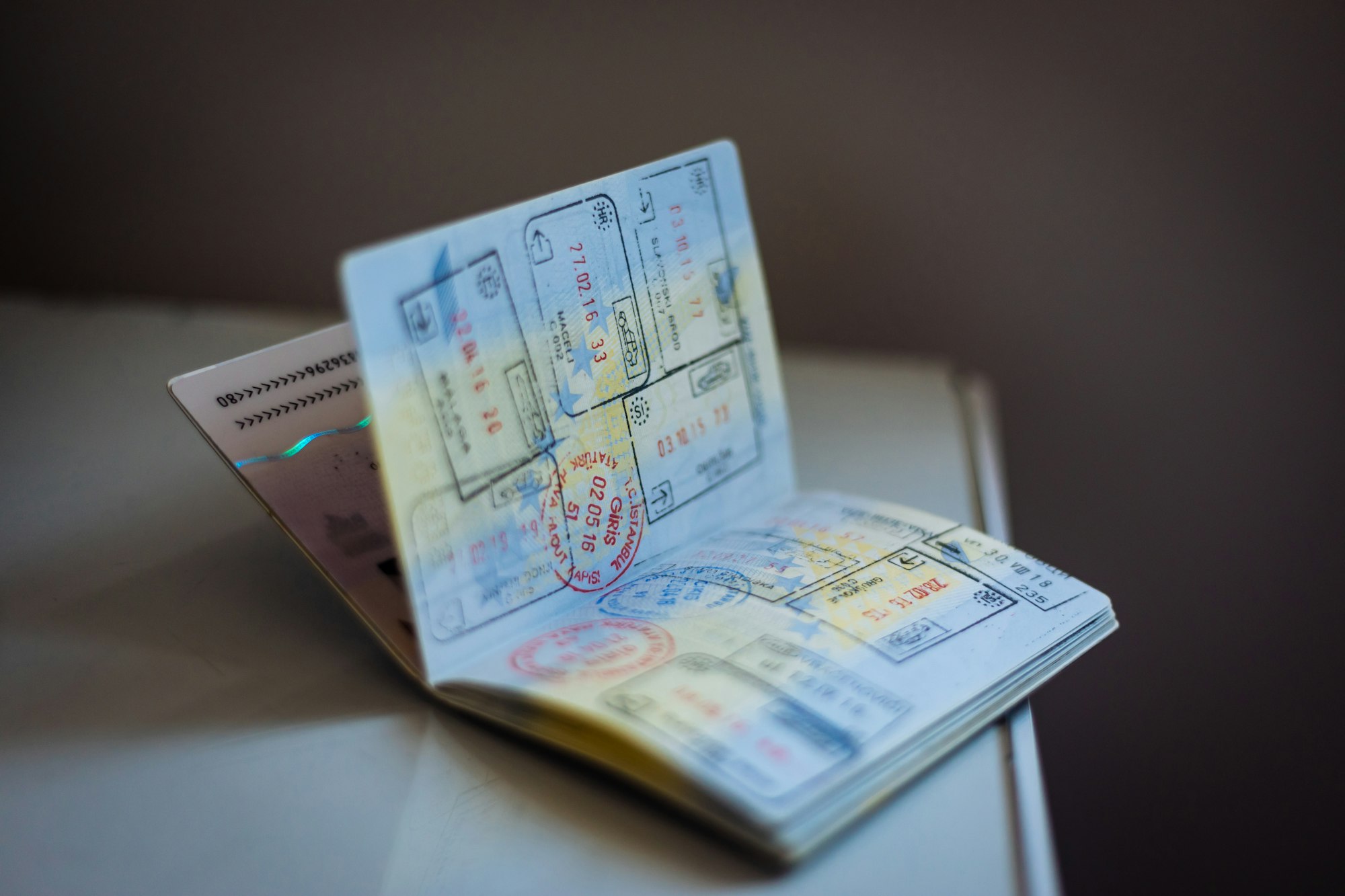
 Brandon Himpfen
 Brandon Himpfen
 Brandon Himpfen
 Brandon Himpfen
 Brandon Himpfen
 Brandon Himpfen